
All Services›Training & Tutorials
Scalable training video production.
Onboarding, compliance, and skill-building videos that don't feel like a chore. Our training video production process brings the same standards to internal content as we do to your external brand.
3–20 min
Typical length
3–5 wks
Timeline
$4,000+
Starting at

LOOK Studios
Phoenix-based. National reach. One permanent crew on every project.
Use Case
A training video
is essential when.
You're onboarding new hires at scale and every manager is repeating the same sessions.
Compliance training needs to be documented, accessible, and actually watched.
You're rolling out a new product or process and need everyone up to speed fast.
Your LMS has content slots and nothing worth putting in them.
Customer support calls keep covering the same questions a video could answer.
Our Work
Recent projects.
Deliverables
What's included
in every engagement.
Script & structure
We write or refine the instructional script with clarity and pacing as the primary goals.
On-camera or capture-based production
Presenter-led, capture-based, or animated — matched to your content type and budget.
Chapter markers & closed captions
Accessibility and navigation built into every training deliverable.
LMS-ready delivery
SCORM, MP4, HLS — delivered to your platform spec with no extra back-and-forth.
How It Works
From brief
to delivery.
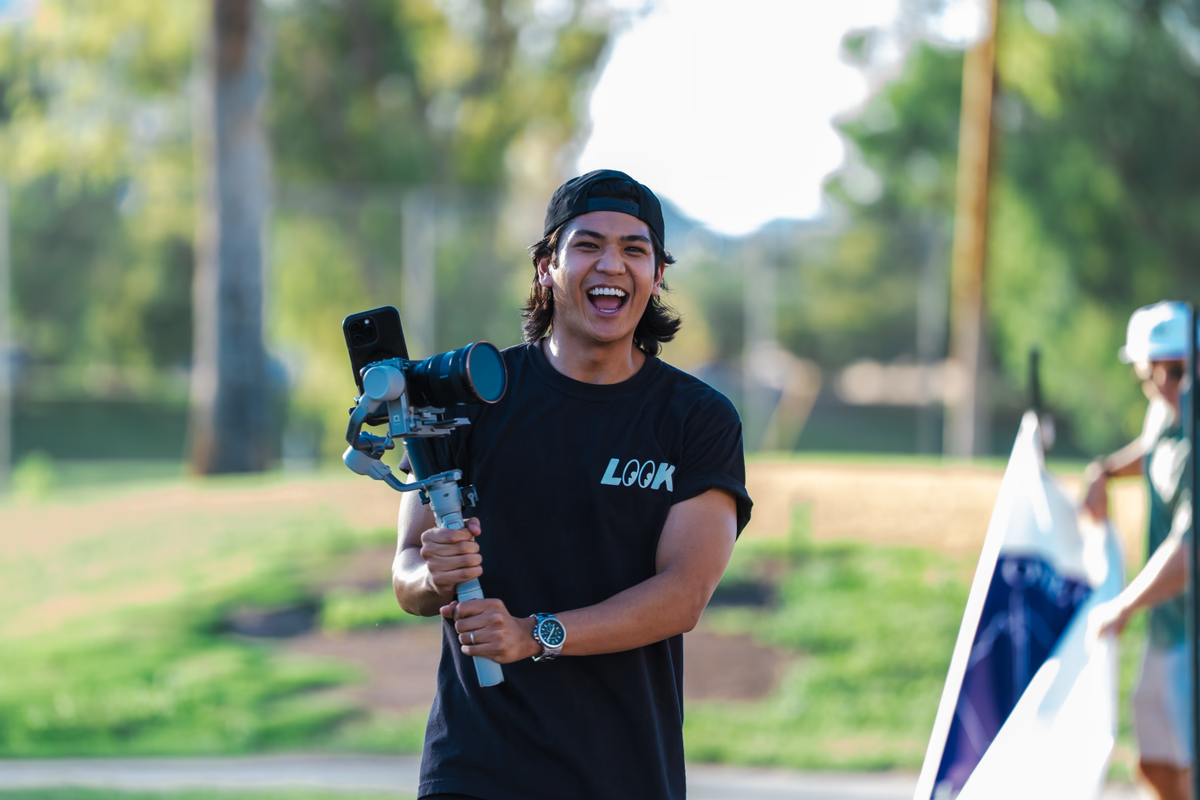
Training & Tutorials · Step 01
Content audit & brief
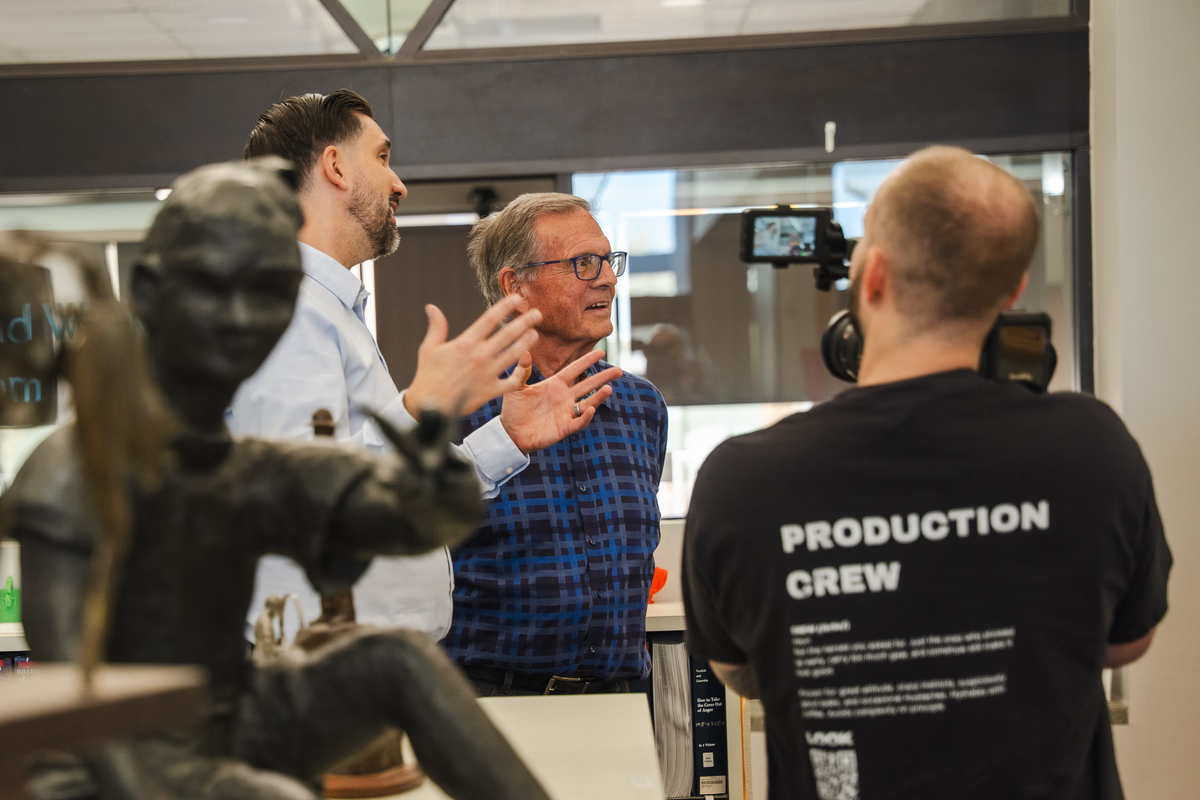
Training & Tutorials · Step 02
Script & review
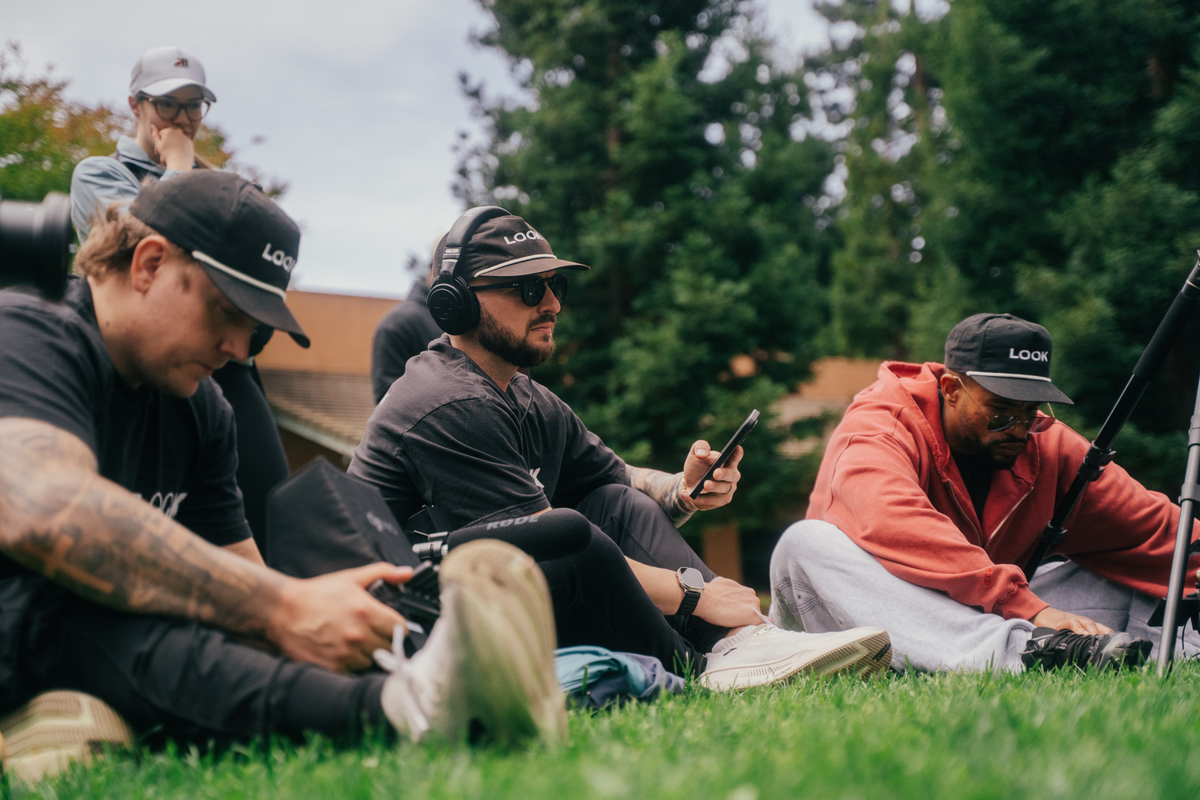
Training & Tutorials · Step 03
Shoot day

Training & Tutorials · Step 04
Delivery
Add dedicated photography to any training & tutorials shoot.
Behind-the-scenes stills and magazine-quality photography, delivered alongside your video for an additional fee.
Investment
Ready to start
your project?
Most training & tutorials projects start at $4,000+. Exact cost depends on scope, location, and deliverable count.

Training & Tutorials
Questions about training & tutorials.
Yes. Many clients start with a single module and expand into a full library of training videos as new needs come up and we create additional modules on the same format. We build a repeatable format upfront so each new module fits the system. It depends on scope — a single onboarding video is one shoot day, while a training library runs multiple training videos from the same shoot day once the script and format are locked. We plan the count during the content audit & brief.
Yes. We direct your internal experts on camera, handle the scripting, and make sure the final product reflects their expertise without their nerves. On the technical side, we deliver to any platform — Cornerstone, Workday Learning, TalentLMS, LearnDash, and others. Just send us the spec.
Yes. We can add lower thirds, callouts, process diagrams, and animated sequences where they help comprehension.
Training video production is the process of turning what your team needs to learn — a new workflow, a compliance requirement, a product — into a video employees will actually watch. That covers script, on-camera or capture-based filming, editing, and delivery to your LMS, not just pointing a camera at a presenter.
Onboarding walkthroughs, compliance training, product and process rollouts, and e-learning modules for an LMS or online course platform. How-to videos are a common format too, since they break complex topics into simple steps instead of one long explanation. Format is matched to the content — some need a presenter on camera, others work better as a capture-based or animated video. Both. E-learning video work for a course platform follows the same production process as in-person training videos — we just build for asynchronous viewing instead of a live room.
Yes. Complex concepts — a workflow, a system, a compliance rule — often land better as an animated video than live footage. We scope this during the script phase, once we know what that actually needs. Separately: when your team already has instructional designers shaping the curriculum, we work directly from their outline. When you don't, our script & structure step covers that groundwork.
Engaging content starts with the script, not the edit — clear pacing, one idea at a time, and a presenter who isn't reading off a teleprompter word for word. Chapter markers and closed captions are also standard, so viewers can navigate to what they need instead of sitting through the whole thing to retain the one section that matters. That structure starts early — that's the point of the content audit & brief step. We define what the video needs to teach before scripting begins, so the shoot doesn't drift from the actual learning goal.
HR and L&D teams onboarding new employees, compliance officers documenting required training, and product teams rolling out something new to the whole company. Onboarding videos in particular help new hires digest essential company information without a manager repeating the same session live. If your audience is external customers instead of your own team, that's a different kind of internal comms work entirely.
Training videos teach a specific skill or process to your team. Corporate video production covers broader internal comms — executive updates, company overviews — that isn't structured as instruction. The two often get bundled under "corporate training video" language, but they're built differently. On a related note, onboarding is one of the most common reasons companies come to us. If you also need video for attracting new hires in the first place, that's a different service — recruiting video production.
Content audit & brief, script & review, filming, then final LMS delivery. The step before the camera rolls is where most of the actual "training" gets built — the shoot itself is usually the fastest part. Sound design matters throughout that work too — clear audio is non-negotiable for training content — if viewers can't hear it, they can't learn from it — and we add music where it supports pacing without distracting from the instruction.
Most training and tutorial projects start at $4,000+. Cost depends on scope — a single onboarding video costs less than a multi-module course library.
Most training video production companies hand you a template or outsource the edit. We keep one crew and one editor on your project from script through final delivery — the same standard we apply to external brand work, not a discount version for internal content.
It depends on what's being taught. A talking head builds trust for policy or culture content; a capture-based approach works better for software walkthroughs; most training libraries end up mixing both with B-roll to keep the final product from feeling like one long lecture.
Yes — successful collaboration here means one point of contact on our side and a review structure that doesn't require your SMEs to sit in on the shoot. They give feedback at the script and rough-cut stages, not in real time on set. On effectiveness — video holds attention better than a slide deck or a written SOP, and chapter markers let employees rewatch just the section they didn't retain — that's the practical reason video outperforms text for skills training, not a marketing claim.
We don't build the quiz platform itself, but we structure the video — clear section breaks, one idea per chapter — so it plugs cleanly into whatever LMS quiz tool you're already using. Client-wise, primarily companies — onboarding, compliance, product training — though the same team works with training providers and online course creators teaching students at scale.
We're a media production company, not an instructional design agency — bring your learning objectives and target audience, and we turn that into a high-quality video. For the education side of things (curriculum, instructional design), we recommend pairing us with an L&D consultant first.
Yes — explainer videos are one of the most common formats we produce, especially for software walkthroughs. We add dynamic visuals and creative animation where they make an idea easier to follow, not just decorative.
Final videos are delivered directly to your LMS or wherever your team already accesses their training materials — no new technology to learn, no separate portal. For engagement specifically, shorter chapters and pacing that respects viewer attention — a long module that never breaks is where engagement drops and learners stop being able to retain information. We chunk longer modules into chapters for exactly this reason.
Training videos and corporate training videos overlap heavily — both start from the same learning objectives and the same goal: a good learning experience your team actually finishes. We use "training video" for the broader category and reserve corporate video production for content that isn't structured as instruction.
Most training videos have a useful life of one to two years before a policy or product changes enough to need a refresh — budget for periodic updates, not a single one-and-done shoot.
See our work above — Canine Gains and LeanScale are both examples of training and onboarding videos we've created recently. We can also create a short sample scene during scoping if you want to see our style before committing to a full engagement. To be clear about our focus: we're not an educational video production company, but a production studio built for business training — onboarding, compliance, product rollouts — not K-12 or higher-ed curriculum work. If you're comparing training video companies for a corporate project, that's the right lens to judge us on.
Yes — e-learning video production for a course platform is one of our most common requests, whether that's an internal LMS course for employees or an online e-learning course built for outside students and learners. Separately, on style — as much creativity as the content needs — simple whiteboard-style animation for a quick explainer, or fully custom motion graphics when we create something built to match your brand. Either way, we create a short style sample before committing to the full animation build. We scope the animation style during the script phase, not after.
We build for the widest audience in the room, not just the fastest learner — chapter markers let advanced viewers skip ahead while newer learners rewatch a section, so the same engaging content works for everyone without a second version.
Lighting, audio, and a script built for retention — the same craft behind our external video content, applied to your internal video content. High-quality videos hold attention through an entire module; a phone recording doesn't.
Post production covers editing, color, sound, and captioning — plus interactive elements like clickable chapter menus or embedded quiz prompts when your LMS supports them. That's also when we extend a video's useful life with alternate cuts for future updates.
Yes. The Research Institute of America found well-designed e-learning increases retention 25-60%, compared to 8-10% for traditional classroom-only sessions — one reason video-based training outperforms a live session nobody can rewatch. On that note, for animated or motion-graphics content especially, we storyboard the visual flow during the script & structure step, before pre-production begins. For live-action, the script itself carries that structure instead of a frame-by-frame board.
No — gamification mechanics like points, badges, and leaderboards live in your LMS, not the video itself. What we build in is the structure that plugs cleanly into it: chapter markers, clear section breaks, and pacing that supports whatever quiz or reward system your platform runs. Similarly, no — that's on your LMS, not on our end. If you want to measure effectiveness after release, completion rates and viewer feedback from your platform are the real signal; what we control is making chapter breaks and objectives clear enough that the data is actually diagnostic instead of a mystery.
Yes — that's the point of the script & structure step. A training video for new hires reads differently than one for experienced staff learning a policy update, and we write to whichever audience is actually watching, not a generic middle ground. On timeline — most training and tutorial projects run 3-5 weeks from kickoff to delivery — faster than the broad range you'll see quoted industry-wide, because everything is scoped upfront (content audit & brief, script & review, production, post & LMS delivery) instead of left open-ended.
Not with us. The 4-12 week range you'll see quoted industry-wide usually reflects unscoped work — our training and tutorial projects run 3-5 weeks because the deliverables and timeline are locked before production starts, not figured out along the way.
Yes — that's exactly why clear audio is non-negotiable on every shoot. If viewers can't hear a presenter clearly, they stop watching before the video finishes, no matter how good the visuals look.
Not necessarily — ours typically run 3-20 minutes depending on the topic, since a compliance module needs more room than a single-feature walkthrough. What actually holds attention at that length is chaptering: short, focused sections inside a longer video, not forcing every topic into a 3-minute cut that leaves half the training out.
Often, yes — the same e-learning video can be repurposed across teams when the underlying learning content applies broadly and stays just as engaging, so you're not commissioning a separate video for every department's version of the same lesson. Relatedly, not every training video needs a formal assessment — some support informal, low-pressure learning, like a quick engaging refresher, while others tie to a required assessment with clearly defined success criteria. We ask which kind of learning outcome you need during the content audit & brief, so the video is built for the right level of formality from the start.
Yes — the same engagement principles apply. A hook in the first few seconds, pacing that doesn't drag, and video content built around one clear idea per section keep training material from feeling like homework.
Ready to start?
Let's talk video.
Bring us a brief or start with a conversation. We'll give you honest scope, honest pricing, and a team you can count on.